Here's where my head's been at, thinking about story and characters. Every remarkable story is defined by a remarkable character. In recent literature, we've got Lisbeth Salander and Katniss Everdeen as prime examples. There are more, obviously. But those are the ones that spurred this thought process.
If
you look at the characters who are the most involving, you’ll generally find a common
thread – they don’t let life happen to them. Their lives are defined by their
actions and choices. Sure, mistakes are made. There are regrets. But they’re
interesting, and you want to know what they’ll do next.
The
easy story to write is the one where life happens to your character. You bring
problems to his door, and he gets to respond. Rather than plan his actions, you
let your character relax, sip tea, and wait for the phone to ring. The more often
they wait, the more passive they become. You can hide it for a while with
twists and turns, but after a while readers subconsciously become
disinterested, even frustrated with the character.
 Take a look at the Girl With the Dragon Tattoo Trilogy. The first book is the strongest; the
chemistry between Mikel and Lisbeth is involving, and not just because Lisbeth
is one of the most charismatic and unique characters to come out of popular
literature in the last 50 years.
Take a look at the Girl With the Dragon Tattoo Trilogy. The first book is the strongest; the
chemistry between Mikel and Lisbeth is involving, and not just because Lisbeth
is one of the most charismatic and unique characters to come out of popular
literature in the last 50 years.
She’s
that interesting, but what does the author do with her in the last book? Lock
her in jail and expect the bland character to get her out. As a result, the
last book is the weakest.
(I've got a whole other tirade about how the author wrote a glorified version of himself into the book. Sure, Ian Fleming did the same, but at least James bond is interesting.)
 Similarly, take a look at Katniss Everdeen of The Hunger Games. The books work best when you really don’t know what she’s
going to do next. But in the third book she’s essentially rendered powerless,
stuck as a figurehead or in hiding underground. Just like Girl Who Kicked the
Hornet’s Nest, Mockingjay is the weakest of the trilogy because the most
dynamic character is locked away.
Similarly, take a look at Katniss Everdeen of The Hunger Games. The books work best when you really don’t know what she’s
going to do next. But in the third book she’s essentially rendered powerless,
stuck as a figurehead or in hiding underground. Just like Girl Who Kicked the
Hornet’s Nest, Mockingjay is the weakest of the trilogy because the most
dynamic character is locked away.
The good news that there's more than one way to make a character dynamic. A dynamic character doesn’t have to be swashbuckling or computer-hacking or
government-overthrowing to be interesting. Think of Elizabeth Bennett.
Obviously, as a single woman with a tiny dowry during the 19th
century, she couldn't control her destiny much. But what could she do?
Snark. And the book is better for it.
So take a look at your story. Is
your character reactive or passive? Ask yourself -
1.) What
is the last bad decision your character made?
2.) When
did your character last surprise you?
3.) Which
characters do you feel are doing the lion’s share of moving the plot?
4.) Who
does your character take advice from?
5.) What
kinds of verbs is do you surround your character with?
If your character is making so few
decisions that he hasn’t made any bad ones, seldom surprises you, relies on
other people to move the plot, talks about action rather than acting, and seems
to be hanging around a lot of passive verbs, he is likely a reactive character.
If, on the other hand, he is getting himself
into scrapes, takes you by surprise, drives the plot neatly, knows his mind,
and spends time with active verbs, you’ve got an strong active character on
your hands.
Tips to save reactive characters:
1.) Plan
ahead. Your character is more likely to drive the plot if you’re first aware of
the plot’s direction. It’s easier to move the pieces across the board when you
know where you’re going and how you want to get there.
2.) Increase
the tension. Put your character in a tight spot, physically, emotionally, and
make her fight her own way out.
3.) Less thinking, more doing. I don’t care if your character is particularly cerebral. Friends who hem and haw for weeks or years before a decision are boring and
trying. Characters are the same way. A reader will respect decisiveness, even
if that decision turns out to be foolish.
4.) Get
to know your character better. A lot of times, reactive characters happen by
default when you simply don’t know your characters as well as you should. What
are the sorts of things that will drive him to action?
5.) Surround
your character with active verbs. Even if he’s going through a pensive stage,
he’ll read more dynamically on the page.
My next character tip is to give him (or her) a superpower, and not, I'm not necessarily talking about flight. Stay tuned for the next blog...

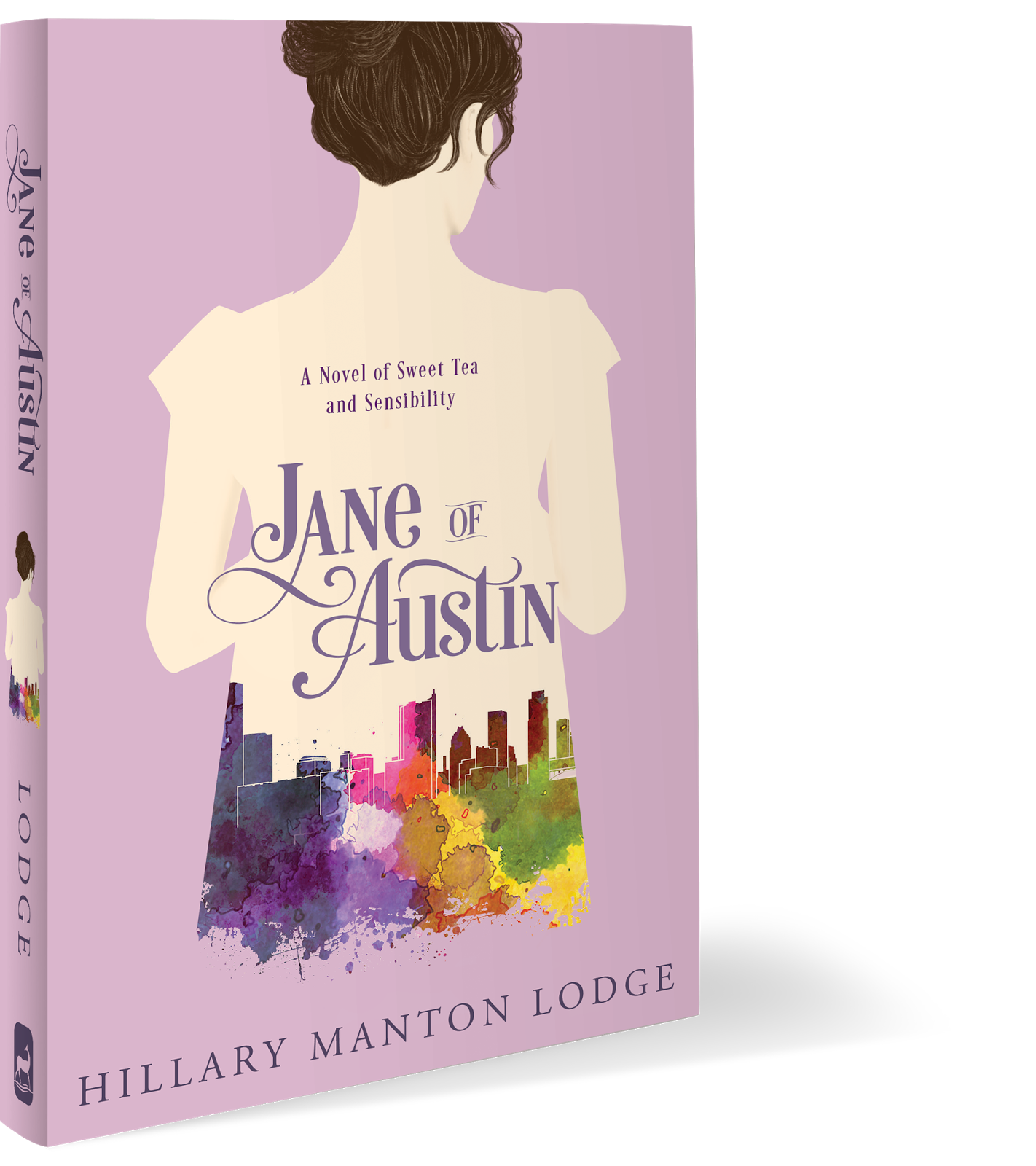
 I'm sad to see Jane Austen Week come to a close - I've had such a great time!